

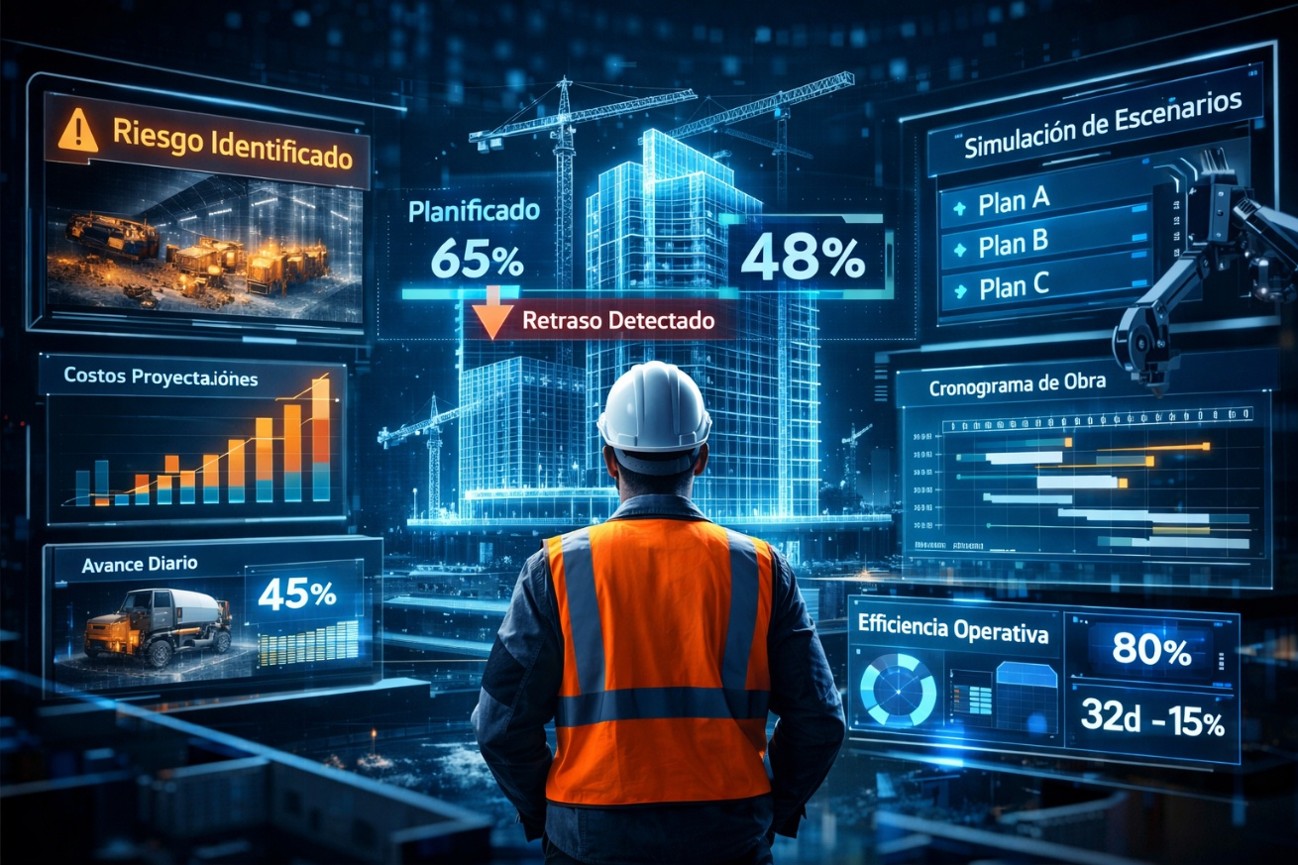
For decades, real estate development has been understood as an essentially economic activity: designing, building, and marketing assets capable of generating returns. However, the contemporary reality demands a broader vision. The pressure on natural resources, the need for more humane cities, and the demand for transparency from investors and communities compel companies to rethink their role. It is no longer enough to build well; it is necessary to build with purpose. Digital integration, operational efficiency, and social and environmental responsibility are not parallel lines: they are one and the same path that defines the sector's competitiveness.
Over the past few years, I have observed how the industry tries to adapt to this new reality with isolated tools, fragmented processes, and narratives that no longer convince. The challenge is not technological, but conceptual.
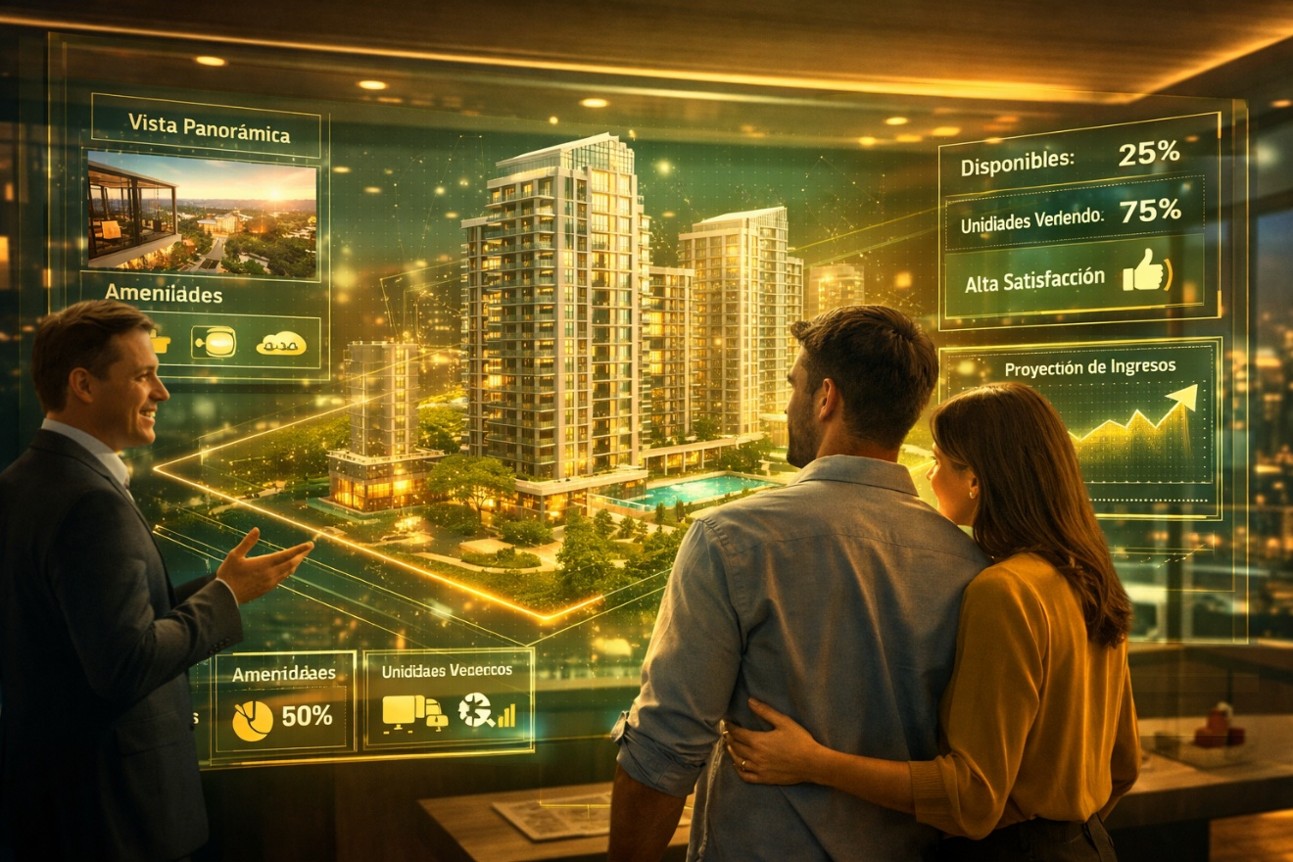
Companies must adopt digital models that allow them to govern the project with clarity, anticipation, and evidence, but they must also accept that every design decision, every construction process, and every commercial strategy has an impact that transcends the financial. The equation is simple and profound: when a company gives more — in transparency, in efficiency, in environmental responsibility, in social value — it receives more in return, reputation, and resilience. It is a natural law of balance that the industry has been slow to recognize.
Design: Creating with Clarity, but Also with Awareness
Real estate design can no longer be an isolated exercise in architectural creativity. It must be an act of responsibility. Companies need to adopt advanced visual environments that allow them to understand the project from its conception, eliminating the ambiguity that has historically generated errors and cost overruns. But this clarity does not only improve efficiency: it also allows evaluating the social and environmental impact of each decision.
When teams can visualize the project as a living system, it becomes possible to anticipate how it will affect mobility, natural lighting, energy consumption, integration with the environment, and the quality of life of those who will inhabit it. Specialized literature agrees that decisions made in the early stages determine not only the final cost of the project, but its ecological footprint and its social contribution. Designing with evidence is designing with responsibility.
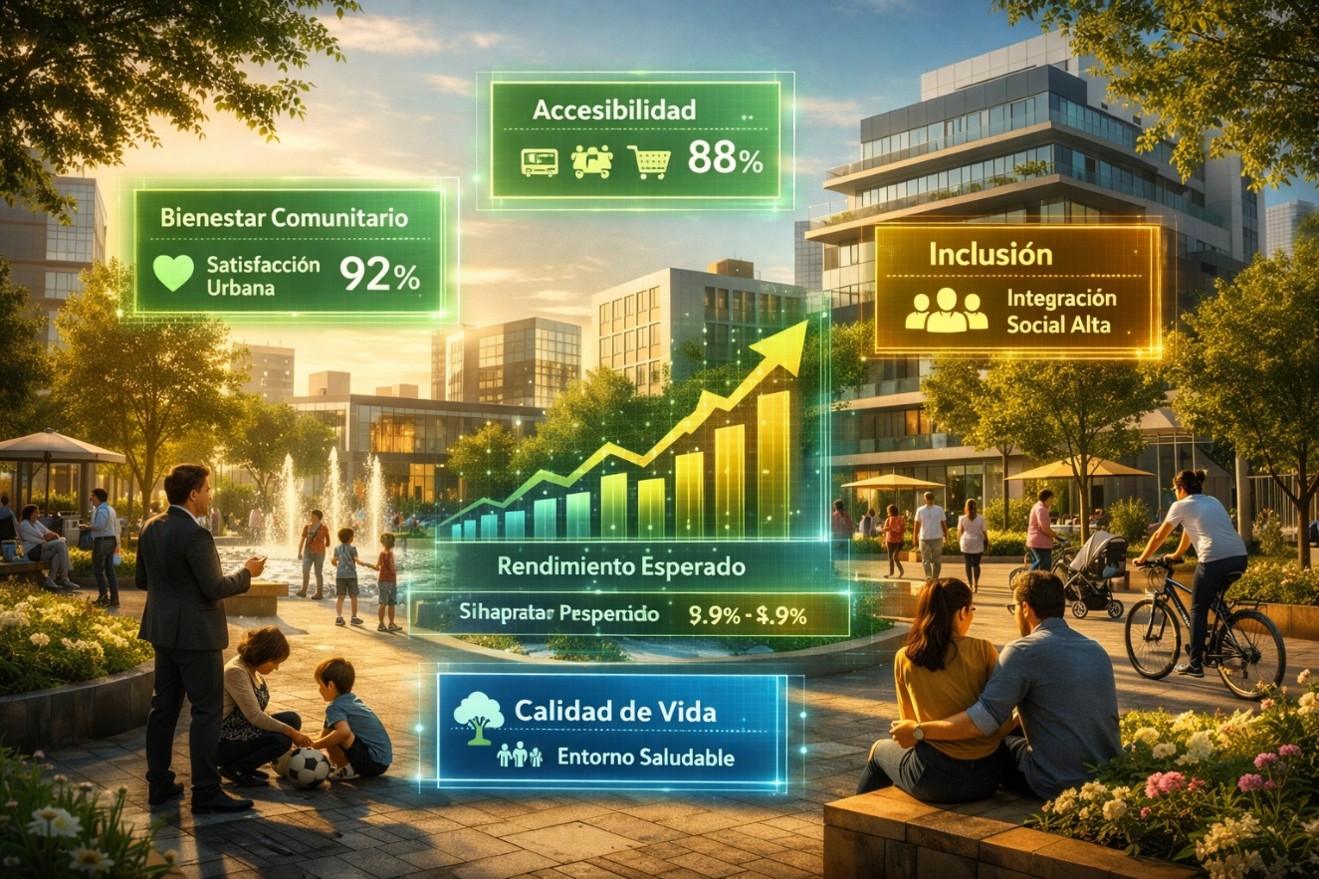
Companies must migrate toward digital models that allow evaluating design alternatives not only in terms of operational efficiency, but of human impact. Visual clarity becomes an instrument for making more ethical, more balanced, and more aligned decisions with the needs of communities.
Construction: Efficiency as a Form of Respect for the Environment
Construction is the point where environmental responsibility becomes most tangible. Delays, cost overruns, and lack of coordination not only affect profitability: they also increase waste, energy consumption, and pressure on resources. Companies must adopt digital models that reflect the real progress of the work and allow them to anticipate risks, reduce deviations, and optimize processes.
Construction efficiency is, in essence, a form of respect. When errors are minimized, material waste is reduced. When delays are anticipated, the energy footprint is decreased. When coordination is improved, the pollution associated with extended machinery and transportation times is reduced.
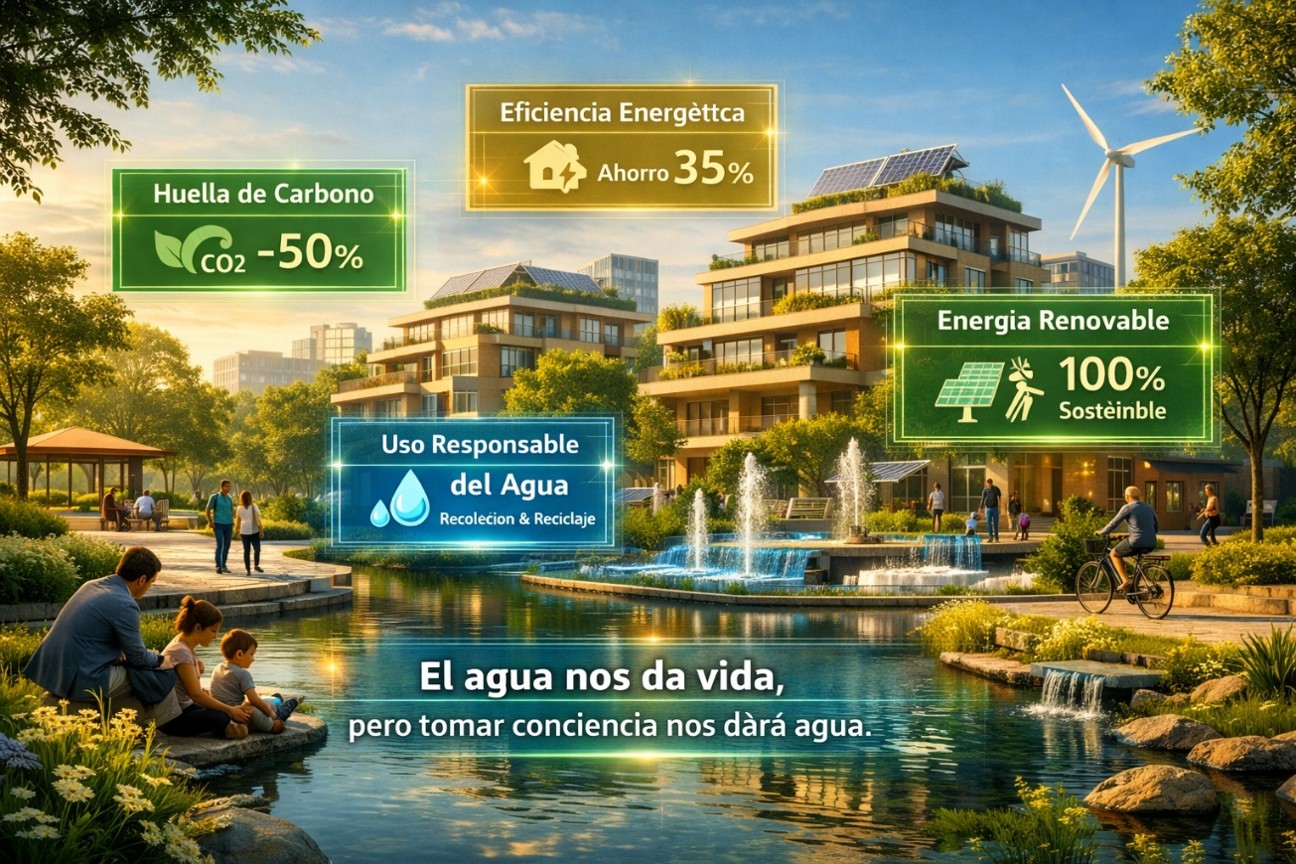
Responsible construction is not an abstract concept: it is a concrete practice that arises from the integration of information, visualization, and analysis.
Operational transparency also has a social impact. The communities surrounding a project directly suffer the consequences of poorly managed construction: noise, traffic, pollution, insecurity. Companies that adopt living digital models can plan better, communicate better, and execute better, reducing negative impact and strengthening their relationship with the environment.
Marketing: Clarity as a Bridge Between Economic and Human Value
Real estate marketing has evolved toward a model where the buyer's experience is as important as the product. Companies must adopt visualization tools that allow them to showcase the project with precision, generating confidence and reducing uncertainty. But this clarity also has a social component: it allows people to make informed decisions about where they will live, work, or invest.
Sales velocity is a financial indicator, but it is also a reflection of market confidence. Projects that are presented with transparency, evidence, and integrated narrative capture demand faster because they convey security. And security is a social value. When companies show the project as it will really be, when they explain its environmental impact, when they demonstrate their operational efficiency, they are building a more honest relationship with the buyer.
Additionally, the integration of real-time commercial data allows adjusting pricing and product strategies in a more balanced way. Companies can identify real needs, adapt typologies, and improve accessibility without sacrificing profitability. Responsible marketing is one that understands that a successful project is one that generates economic value, but also human value.
The Natural Equation of Balance: Give More to Receive More
There is a profound logic in nature that the real estate industry is beginning to understand: systems that contribute more to the environment receive more stability, more resilience, and more capacity to thrive. When a company reduces its environmental impact, it improves its reputation. When it offers transparency, it attracts better investors. When it designs with awareness, it creates healthier communities. When it builds with efficiency, it reduces costs and also reduces harm. When it markets with clarity, it sells faster and also builds trust.
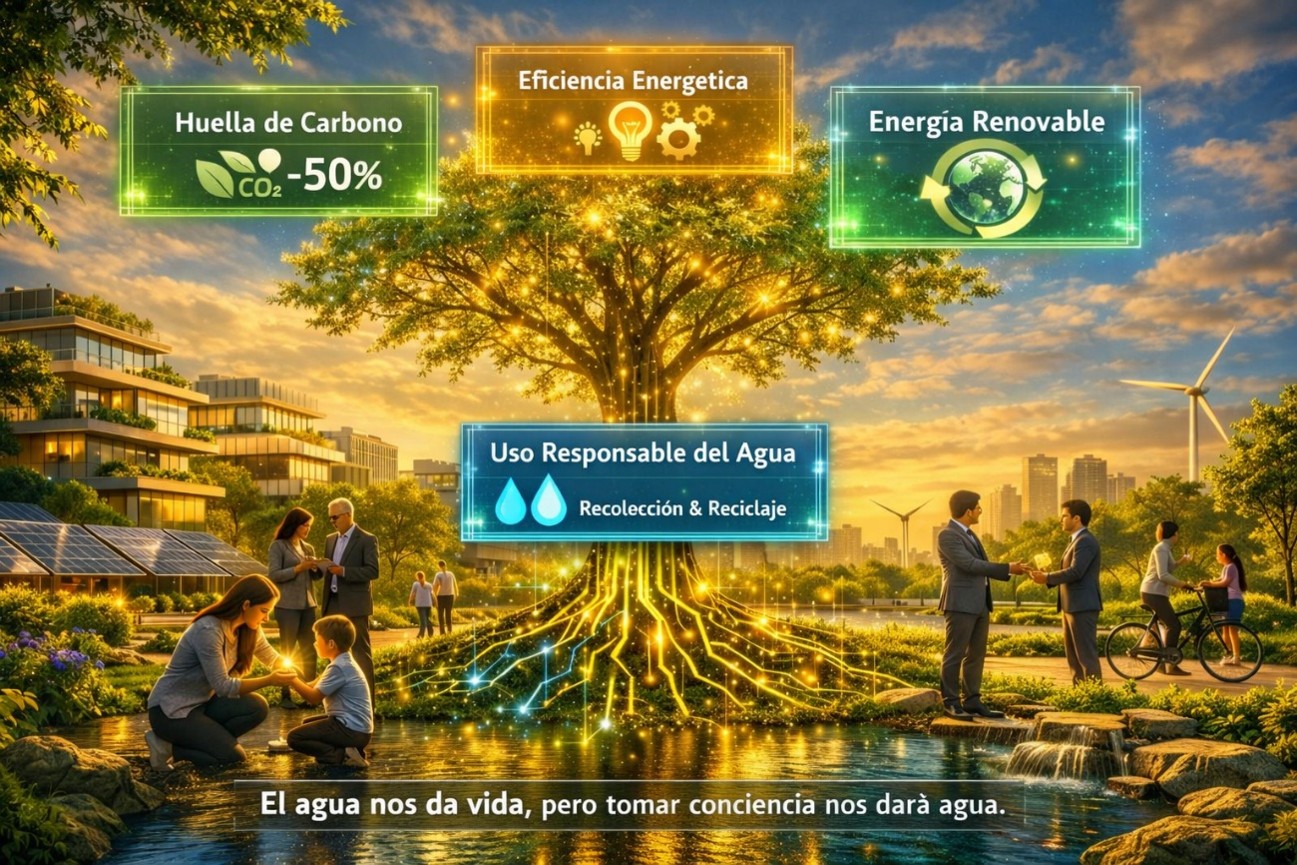
Reciprocity is not a philosophical concept: it is an operational law. Projects that contribute social and environmental value receive economic value. Those that ignore this equation pay the price in the form of cost overruns, community conflicts, low absorption, and loss of competitiveness.
Conclusion
Real estate development is entering a stage where digital integration, operational efficiency, and social and environmental responsibility are inseparable. Companies that adopt living digital models, capable of reflecting the real evolution of the project and its impact on the environment, will be the ones that reduce costs, anticipate risks, and maximize returns. But, more importantly, they will be the ones that contribute to a healthier balance between economy, society, and nature.
The industry no longer just needs to build better. It needs to build with purpose, with evidence, and with awareness. Because in this new equation, the more you give, the more you receive.